
First Nations
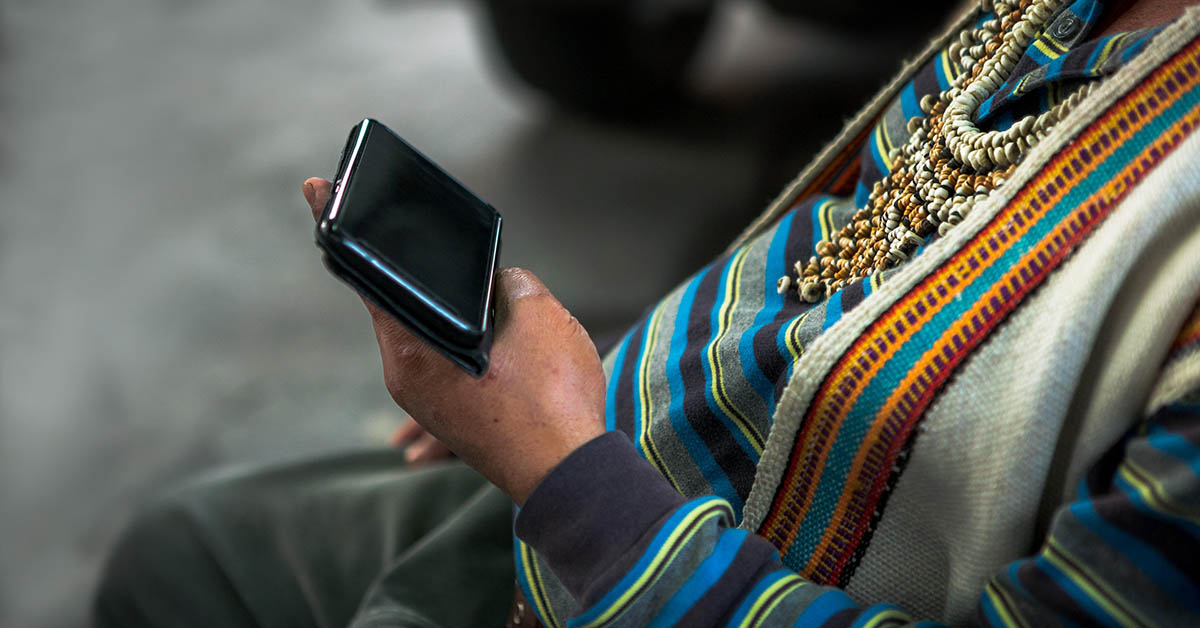
First Nations Connectivity & Infrastructure
Across the United States, many First Nations communities continue to face barriers to reliable telecommunications infrastructure. Geographic isolation, complex terrain, and historic underinvestment have limited access to the connectivity required for economic growth, healthcare, education, and public safety.
Repeated Signal Solutions works with tribal governments, enterprises, and development authorities to design and deploy modern wireless infrastructure that strengthens sovereignty, economic opportunity, and community resilience.
With more than 22 years of experience in cellular engineering and wireless network deployment, RSS provides end-to-end expertise in designing and implementing carrier-grade cellular, public safety radio, and Wi-Fi networks across both indoor and outdoor environments, including large tribal campuses, resort properties, healthcare facilities, government buildings, and remote lands.
Our role is not simply to install infrastructure, but to help First Nations communities build sustainable, future-ready connectivity platforms that support long-term economic and social development.
Carrier-Grade Wireless Infrastructure for Tribal Lands
RSS engineers and deploys advanced wireless networks that provide reliable connectivity across complex environments — from large tribal casinos and hospitality developments to expansive rural lands and remote community areas.
Our services include:
• Cellular Distributed Antenna Systems (DAS)
• Private LTE / Private 5G networks (including CBRS spectrum)
• Outdoor macro and small-cell coverage systems
• Public Safety Radio Coverage Systems (ERRCS / ERCES)
• High-performance Wi-Fi networks (Wi-Fi 6 / Wi-Fi 7)
• Campus-wide wireless coverage design
• RF engineering, modeling, and propagation analysis
• Network testing, optimization, and long-term performance validation
These networks enable reliable communication for residents, visitors, and enterprises while supporting the digital services required for modern economic development.
Connectivity that Supports Tribal Sovereignty and Economic Growth
Reliable wireless infrastructure is now essential to the long-term prosperity of First Nations communities.
Robust cellular and broadband connectivity supports:
Community Communication
Reliable cellular coverage enables residents to maintain daily communication with family, businesses, and government services while accessing essential information and digital resources.
Economic Development
Modern connectivity allows tribal enterprises to operate competitively in a digital economy. Businesses gain access to cloud services, e-commerce platforms, and operational technologies that improve efficiency and expand market reach.
Emergency and Public Safety Communications
Reliable wireless networks are critical for emergency response coordination. Advanced public safety radio systems ensure that first responders maintain communications coverage inside buildings and across large outdoor areas.
Education and Digital Access
Wireless connectivity enables access to online education, remote learning, and digital training programs, helping expand educational opportunities for younger generations.
Healthcare and Telemedicine
High-reliability wireless infrastructure supports telemedicine services, remote diagnostics, and digital health platforms — enabling improved healthcare access in communities where travel to medical facilities may be difficult.
Supporting Tribal Enterprises and Hospitality Destinations
Many First Nations communities operate world-class hospitality and entertainment destinations that serve as major regional economic drivers.
Large tribal resorts, casinos, and event venues require carrier-grade wireless infrastructure capable of supporting thousands of simultaneous mobile users while enabling critical operational systems.
RSS designs wireless infrastructure that enhances both the guest experience and operational performance of these destinations by enabling:
• seamless cellular connectivity for visitors
• secure enterprise communications for staff
• mobile payment and transaction systems
• security and surveillance communications
• digital guest services and mobile applications
• high-density wireless coverage during events
Reliable connectivity ensures that tribal enterprises remain competitive with the most advanced hospitality destinations in the world.
Environmentally Responsible Wireless Infrastructure
Many First Nations communities maintain a deep cultural connection to their land, wildlife, and natural environment. RSS approaches wireless infrastructure design with that responsibility in mind.
All cellular systems designed by RSS comply with established safety standards for radiofrequency exposure and environmental protection. These systems are evaluated using internationally recognized guidelines developed by organizations such as:
-
Federal Communications Commission
-
International Commission on Non‑Ionizing Radiation Protection
-
World Health Organization
Independent research and regulatory reviews consistently confirm that properly designed cellular infrastructure operates well within established safety thresholds for people, wildlife, and the surrounding environment.
By applying rigorous RF engineering practices and validated safety standards, RSS ensures that wireless infrastructure delivers reliable connectivity while respecting the environmental and cultural priorities of tribal lands.
Funding, Spectrum Access, and Telecommunications Incentives
Many federal and state programs exist to support telecommunications development within First Nations communities.
These initiatives are designed to expand broadband and wireless infrastructure in underserved regions through grants, tax incentives, and subsidized funding programs.
Examples include initiatives administered by the:
-
Federal Communications Commission
-
National Telecommunications and Information Administration
-
U.S. Department of Agriculture
Programs such as broadband expansion grants, rural connectivity initiatives, and infrastructure tax incentives can significantly reduce the cost of building modern telecommunications networks.
RSS works closely with tribal governments, development teams, and financial advisors to help identify and support projects that may qualify for these programs, ensuring that communities can maximize available funding while deploying high-quality infrastructure.
A Long-Term Partner in Tribal Connectivity
Successful telecommunications infrastructure requires more than equipment installation. It requires long-term planning, engineering expertise, and an understanding of how wireless networks support economic and community development.
With more than two decades of cellular engineering experience, RSS provides First Nations communities with a trusted partner capable of delivering:
• reliable cellular and wireless infrastructure
• carrier-grade engineering and RF design
• environmentally responsible network deployment
• support for economic and enterprise development
• connectivity platforms designed for future generations
Our goal is to help tribal communities build modern, resilient telecommunications infrastructure that supports sovereignty, prosperity, and long-term connectivity.
Our Clientele
Explore some of the great companies that RSS has worked with.





















Why RSS?
The licensed wireless industry is intricate. Experience has been a part of Repeated Signal Solutions (RSS) from the company’s inception in 2004. Unlike our rivals, RSS has been active in the licensed wireless frequency market for 19 years and still represents the majority of our first clients nationally.
- 1
Financial Transparency
The RSS methodology has been demonstrated to put everyone at ease. This approach is the result of 19 years of expertise. - 2
Trust: 92%+ of Our Customers Are Recurring
Among licensed wireless services, RSS is one of the few that puts the client first. - 3
Respect and Understanding for All Stakeholders
To ensure that each party contributes for their use case, our process supports the creation of budgets for each group’s allocation of the system. - 4
Total Solution Experience
We offer end-to-end life cycles with the standard carriers SLAs starting at 10 years as part of our solutions.
Ready to Speak With Our Team?
RSS’ mission is to act on behalf of our customers and provide innovative methodologies and detailed solutions that meet their wireless coverage challenges. We strive to provide value propositions based upon ethical business approaches with a high level of transparency and communication which builds mutual trust, respect and a basis for replicable results in our products and services delivery.
Pete Bohley, President of RSS