
Rural & Remote Areas
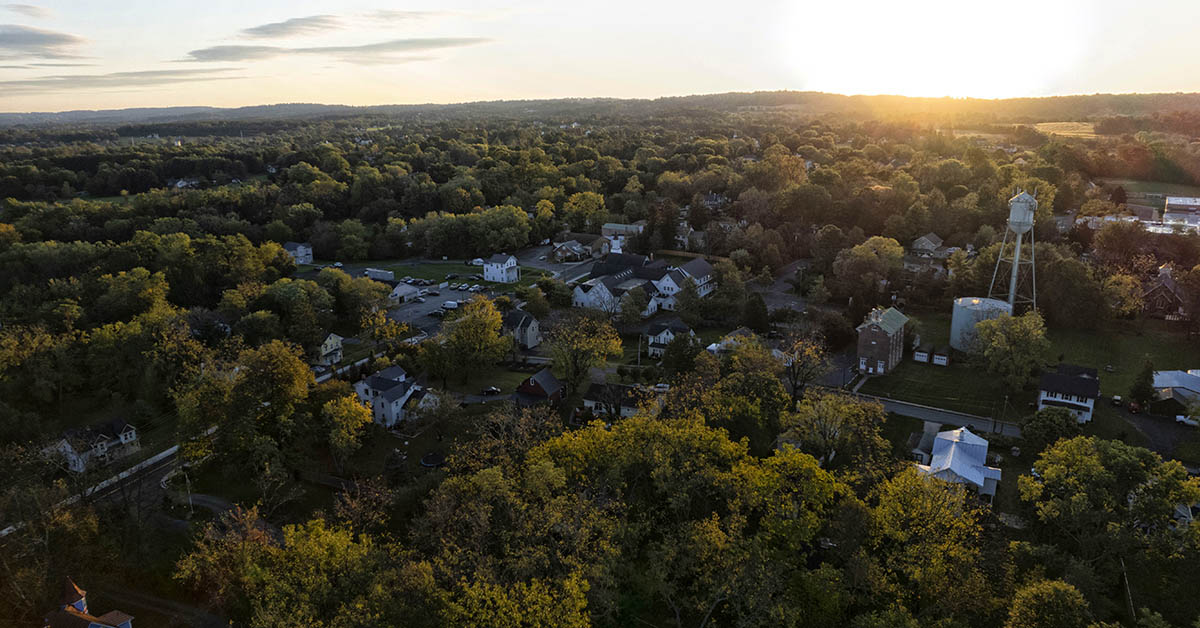
Rural and Remote Connectivity Infrastructure
Reliable wireless connectivity is no longer a luxury—it is a fundamental requirement for modern life. Yet many rural and remote communities continue to face limited or nonexistent cellular coverage due to geographic isolation, infrastructure costs, and low population density.
Repeated Signal Solutions works with communities, enterprises, tribal lands, transportation corridors, and remote developments to design and deploy custom wireless infrastructure solutions that extend reliable connectivity into areas where traditional carrier networks often fall short.
With more than 22 years of experience engineering cellular networks and wireless infrastructure, RSS provides specialized expertise in delivering coverage across challenging terrain, remote locations, and large geographic areas.
Our solutions combine carrier signal sourcing, private cellular networks, Wi-Fi infrastructure, and long-range wireless systems to create reliable connectivity platforms that support both community access and operational needs.
Bridging the Connectivity Gap
Access to reliable wireless communication has a profound impact on the economic and social well-being of rural communities.
Wireless connectivity enables residents and organizations to:
• communicate with family, businesses, and emergency services
• access digital education and remote learning platforms
• support local businesses and economic development
• enable telemedicine and remote healthcare services
• access government and digital public services
• participate in the broader digital economy
By extending wireless infrastructure into underserved areas, communities can bridge the digital divide and create new opportunities for growth and innovation.
Reliable Connectivity for Public Safety
In rural environments, reliable communications are particularly important during emergencies.
Residents and workers in remote locations must be able to quickly contact emergency services and coordinate response efforts during critical situations such as medical emergencies, wildfires, or natural disasters.
Robust wireless infrastructure allows:
• residents to contact emergency responders
• field workers to communicate in remote areas
• emergency teams to coordinate response activities
• communities to receive emergency alerts and safety information
Reliable connectivity becomes a critical lifeline for communities located far from traditional infrastructure.
Engineering Connectivity in Challenging Environments
Rural and remote locations present a unique set of engineering challenges that often prevent traditional carrier networks from expanding coverage.
Common obstacles include:
• long distances between population centers
• rugged terrain and geographic barriers
• dense vegetation and natural signal obstructions
• lack of existing telecommunications infrastructure
• limited access to power and fiber connectivity
• low population density that discourages traditional carrier investment
RSS specializes in designing custom wireless architectures that overcome these challenges, enabling reliable coverage even in difficult environments.
Flexible Strategies for Bringing Carrier Signal into Remote Areas
Delivering cellular coverage in rural environments requires creative engineering approaches to obtain a reliable signal source.
RSS utilizes multiple strategies to extend carrier coverage into remote locations, including:
Macro Network Extension
Connecting rural communities to nearby carrier towers through long-range directional antennas or microwave links that bring macro cellular signals into underserved areas.
Small Cells and Rural Cell Sites
Deploying compact cellular base stations designed to serve smaller population areas while extending coverage into regions that larger carriers may not reach.
Satellite and Backhaul Solutions
Utilizing satellite connectivity or microwave backhaul to deliver network connectivity where fiber infrastructure is unavailable.
Signal Repeater and Booster Systems
Engineering specialized signal amplification systems that capture distant carrier signals and distribute them locally to provide improved coverage.
These approaches allow RSS to build custom coverage solutions that extend cellular connectivity into locations where traditional infrastructure may not exist.
Private LTE and Private 5G for Remote Environments
In some rural and remote locations, traditional carrier coverage may not be the most effective solution.
RSS designs and deploys Private LTE and Private 5G networks that allow organizations and communities to operate their own wireless infrastructure using licensed or shared spectrum such as CBRS.
Private cellular networks are particularly valuable for:
• industrial operations and remote facilities
• energy and utility infrastructure
• agricultural operations
• tribal lands and sovereign territories
• remote campuses and large properties
• transportation corridors and logistics facilities
These networks provide secure, high-performance wireless connectivity across large areas, supporting both operational communications and connected devices.
Wi-Fi Infrastructure for Community Connectivity
High-performance Wi-Fi networks can also play an important role in delivering connectivity across rural communities.
RSS designs Wi-Fi infrastructure that supports:
• community broadband access
• campus and village connectivity
• outdoor coverage in public spaces
• connectivity for schools and community facilities
• wireless access for remote work and education
By combining Wi-Fi with cellular and private wireless infrastructure, communities can create flexible connectivity platforms that meet a wide range of needs.
Integrated Wireless Solutions for Rural Infrastructure
Rural connectivity often requires multiple technologies working together to deliver reliable service.
RSS designs integrated systems that combine:
• cellular network extension
• Distributed Antenna Systems (DAS)
• private LTE and private 5G networks
• long-range wireless links
• high-performance Wi-Fi infrastructure
• satellite and microwave backhaul
This integrated approach allows RSS to design custom wireless ecosystems tailored to the specific geography, infrastructure, and operational needs of each location.
22 Years of Wireless Engineering Experience
Delivering connectivity in rural environments requires deep technical expertise in RF engineering, wireless network design, and infrastructure deployment.
With more than two decades of experience designing cellular networks and wireless infrastructure, RSS provides clients with a trusted partner capable of solving complex connectivity challenges.
Our engineering-driven approach ensures that rural and remote communities receive reliable, scalable wireless infrastructure capable of supporting future growth and technological innovation.
Building the Connected Future of Rural Communities
Reliable connectivity is essential to ensuring that rural communities remain connected to the opportunities of the modern world.
Repeated Signal Solutions works with communities, enterprises, and organizations to design and deploy wireless infrastructure that extends connectivity into the places where it is needed most.
Through innovative engineering and flexible technology solutions, RSS helps bring reliable communications, digital access, and economic opportunity to rural and remote environments.
Our Clientele
Explore some of the great companies that RSS has worked with.






















Why RSS?
The licensed wireless industry is intricate. Experience has been a part of Repeated Signal Solutions (RSS) from the company’s inception in 2004. Unlike our rivals, RSS has been active in the licensed wireless frequency market for 19 years and still represents the majority of our first clients nationally.
- 1
Financial Transparency
The RSS methodology has been demonstrated to put everyone at ease. This approach is the result of 19 years of expertise. - 2
Trust: 92%+ of Our Customers Are Recurring
Among licensed wireless services, RSS is one of the few that puts the client first. - 3
Respect and Understanding for All Stakeholders
To ensure that each party contributes for their use case, our process supports the creation of budgets for each group’s allocation of the system. - 4
Total Solution Experience
We offer end-to-end life cycles with the standard carriers SLAs starting at 10 years as part of our solutions.
Ready to Speak With Our Team?
RSS’ mission is to act on behalf of our customers and provide innovative methodologies and detailed solutions that meet their wireless coverage challenges. We strive to provide value propositions based upon ethical business approaches with a high level of transparency and communication which builds mutual trust, respect and a basis for replicable results in our products and services delivery.
Pete Bohley, President of RSS